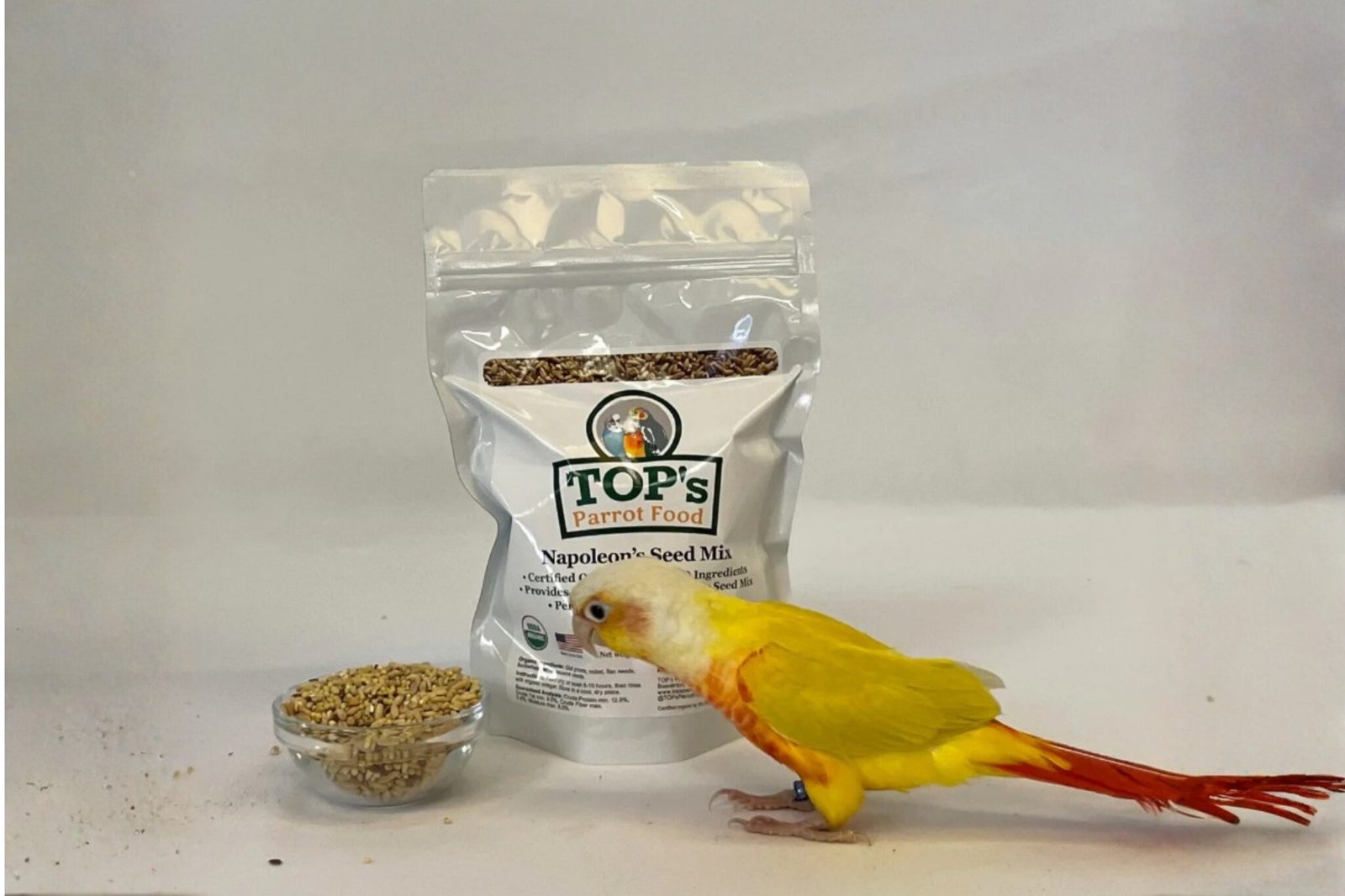
The only food my neighbor’s African Grey used to consume was sunflower seeds. The bird was selecting the interesting parts and discarding the rest, as evidenced by every seed shell on the cage floor and every ounce of weight he added. That’s the trap seed mixes set. Tops parrot food pellets fix this because there’s nothing to pick around. Birds can not just eat what feels nice; they eat what they need.
What Makes Tops Parrot Food Pellets Different
Seed bowls work like a buffet, where a kid eats only dessert. After sorting through, the bird ignores everything else and gets the fatty seeds first. That adds up to actual vitamin and mineral deficiencies over several months. Because the formulation is baked into each piece, pellets fill that gap. There’s no sorting, no picking, no leftover pile of “the healthy stuff nobody touched.”
Another thing worth knowing: many pellet recipes skip the artificial colors and preservatives you’d find in cheaper seed blends. Bird digestion isn’t built the same way ours is, so what goes into the food actually matters more than people assume.
A Quick Look at Nutritional Balance
Avian vets generally recommend a diet in which pellets make up the bulk of daily food, with fresh vegetables and some fruit rounding things out. It’s not far off from how wild parrots forage anyway: a steady base plus whatever variety they can find. Keep that same balance at home, and most birds do fine on it for years.
Why Pellets Beat Seeds as a Daily Staple
Seeds carry a lot of fat and not much else. Feed a bird mostly seeds for long enough, and you’ll start seeing weight gain, dull feathers, or the bird getting sick more often than it should. None of that is dramatic. It happens slowly, which is part of why owners miss it.
Seeds aren’t the enemy here. A handful now and then, as a treat, is fine. The real issue is when seeds become the whole diet rather than an occasional extra.
How to Switch Your Bird to Tops Parrot Food Pellets
Birds don’t like sudden change. A bird that’s eaten seeds for three years isn’t going to touch a new pellet on day one, and that’s normal. Rushing the switch usually backfires. The bird just stops eating altogether for a stretch, which is worse than staying on seeds a little longer.
A slower approach works better in practice:
- Start by mixing a small amount of pellets into the seed bowl the bird already knows.
- Cut the seed portion down bit by bit over two or three weeks.
- Put pellets in their own dish too, so the bird can check them out on its own terms.
- Keep an eye on droppings and how active the bird seems during this stretch.
- If a full month passes and the bird still won’t touch pellets, that’s worth a call to an avian vet.
Some birds figure it out in a week. Older birds, especially ones set in their habits, can take a month or more. Neither pace is wrong.
What to Look for Before You Order
Not every seller online is worth trusting. Read the ingredient panel first. Whole grains and real fruit pieces are a good sign. Check the expiration date too, since pellets go stale like any other food, and a seller who hides that info on the product page is one to skip.
Getting More Out of Tops Parrot Food Pellets
Storage matters more than most owners realize. Store the pellets in a cool, dry place away from the sun’s rays. Warmth and moisture cause them to lose their nutritional value before the package’s expiry date. When pellets remain in a moist dish inside the cage overnight, discard them and replace them with new ones.
Here, fresh veggies still have a place. Add some bell peppers, sliced carrots, or leafy greens a few times a week. It offers fiber and hydration that the pellets alone cannot provide, and it breaks up the routine. Like everyone else, birds grow bored when they consume the same food every day.
Where to Find Reliable Bird Supplies Online
Birdie Boutique stocks a pellet lineup sized and formulated for different bird species. Their top collection is a decent starting point if you’re not sure which formula fits your bird. Buying bird supplies online through a shop that specializes in this saves the back-and-forth of comparing five different labels in a crowded aisle.
A Few Common Questions
Do pellets really need to completely replace seeds?
Not entirely. Most vets suggest pellets make up the majority of the diet, somewhere around 70-80%, with fresh produce and the occasional seed treat filling the rest.
My bird won’t touch the pellets. What now?
Before deciding it is a hopeless activity, give it more time. It usually works better to mix pellets with well-known seeds and gradually reduce the number of seeds rather than switching everything overnight.
Do pellets actually go bad?
Yes, they lose nutritional value over time, faster once the bag’s been opened. An airtight container and a glance at the expiration date before feeding solves most of that problem.
Final Words
What a bird eats shows up eventually in its feathers, its energy, and how long it sticks around as a healthy pet. Tops parrot food pellets aren’t complicated, but they do the job seeds alone can’t. Pair them with fresh produce, store them properly, and give the switch some time instead of rushing it. If you’re ready to start, Birdie Boutique has a range worth looking through.